
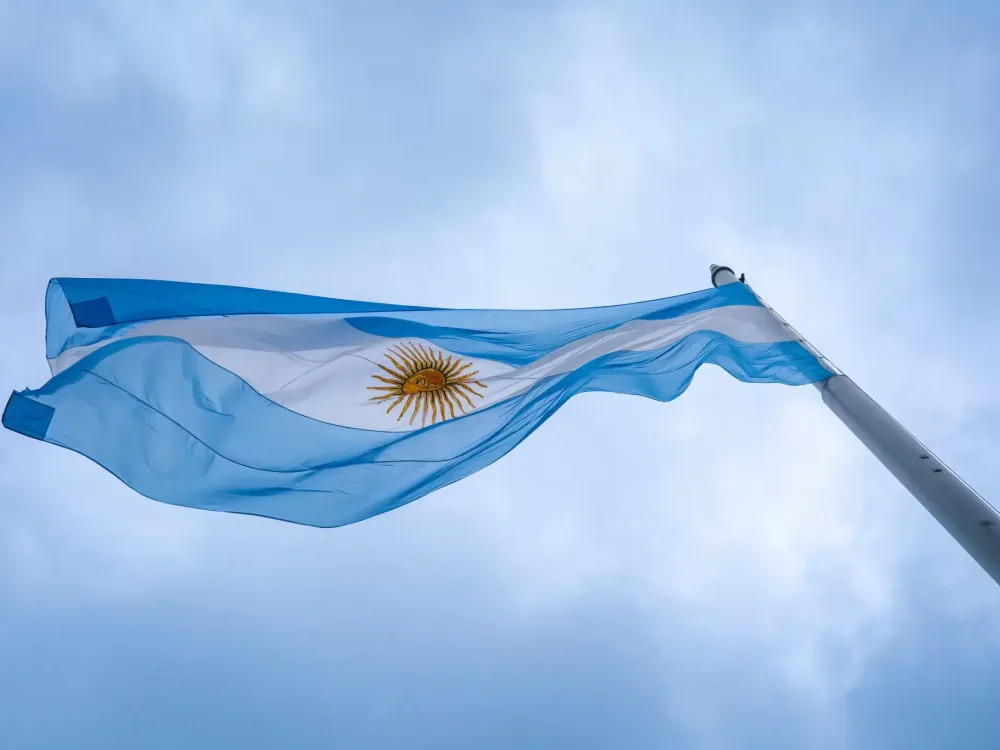
How Many Days Do You Need? Three Ready-Made Itineraries
Before you start planning your trip to Argentina, there’s one thing you need to know: Argentina is HUGE. Try to see it all in just a few days and you’ll spend a good chunk of your vacation in airports, on buses and in transit.
Our advice? Pick an itinerary based on how much time you’ve got, and don’t try to cram in too many stops. For a first trip, 15 days is a good compromise. With three weeks, you can also explore some of the lesser-known regions.
Here are three itineraries we think make a great starting point for planning your trip to Argentina.
Argentina in 10 Days
Got about ten days? Then your best bet is to focus on Buenos Aires, one of the country’s big natural attractions (your pick) and a slice of Patagonia.
You could split your days like this:
Days 1–3: Buenos Aires. Spend at least two full days in the capital to see its most famous neighborhoods and soak up its buzzing atmosphere.
Days 4–5: Iguazú Falls. Take a domestic flight to Puerto Iguazú and give yourself at least one full day at the falls. If you want to see the Brazilian side too, allow a little extra time.
Days 6–8: El Calafate and the Perito Moreno Glacier. Head back to Buenos Aires and catch a flight to El Calafate. From there, you can reach the glacier and spend a day out exploring.
Days 9–10: More Patagonia or the trip home. Add one more excursion in the area, or use this time to get back to Buenos Aires and catch your international flight home.
If exploring the far south of Patagonia is your top priority, swap Iguazú for Ushuaia (“the city at the end of the world”), flying down to Tierra del Fuego from El Calafate.
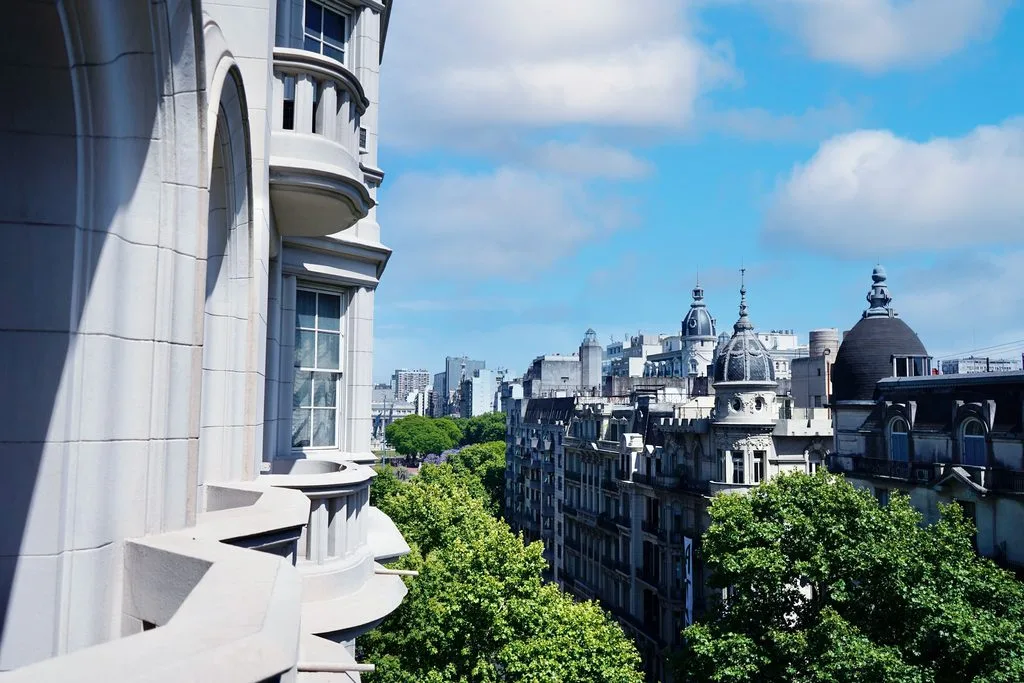
A word of advice: never underestimate travel time in Argentina. Buenos Aires, Iguazú and El Calafate are nowhere near each other, and domestic flights can eat up a big part of your day. Plan your excursions accordingly and leave yourself some breathing room, just to be safe.
Argentina in 15 Days
With two weeks, you can put together a much more complete itinerary, especially if you want to spend part of your vacation in Patagonia.
Here’s how you could plan it:
Days 1–3: Buenos Aires. Explore the capital and its most distinctive neighborhoods.
Days 4–6: Bariloche. Fly to the Lake District, a land of mountains, forests and stunning views. You can set aside a day for the Circuito Chico.
Days 7–9: El Chaltén. Fly to El Calafate and continue overland to El Chaltén, a dream destination for hikers.
Days 10–12: El Calafate. Head back to El Calafate and visit Perito Moreno, one of the most famous glaciers in the world.
Days 13–15: Ushuaia. Catch a flight to Tierra del Fuego and discover Ushuaia, the southernmost city in the country, before heading home.
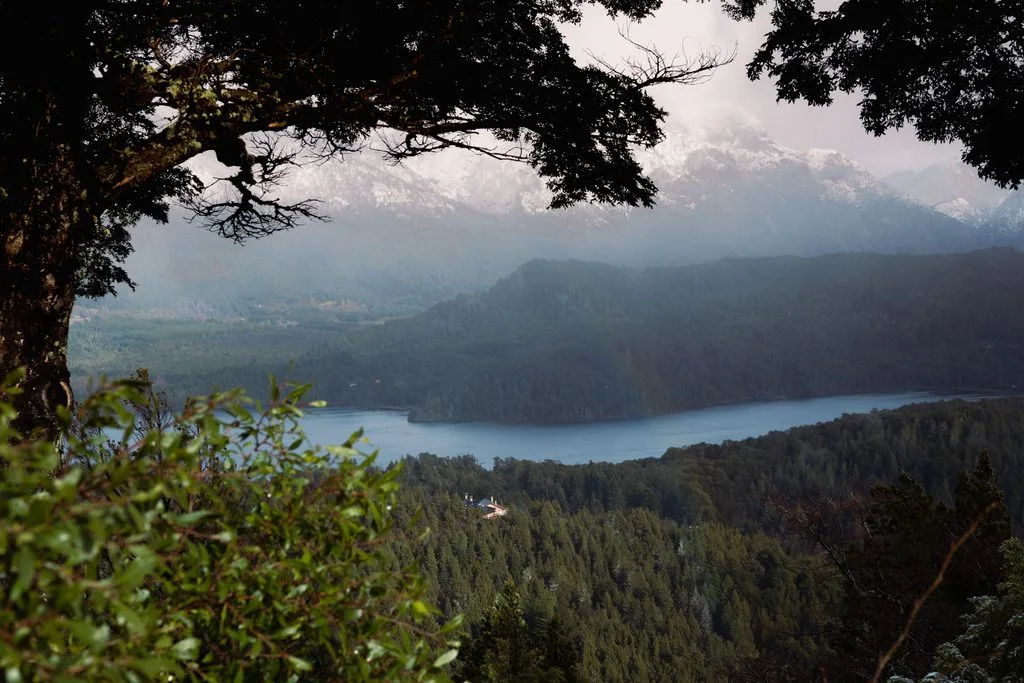
Yes, there’s a lot of moving around, but this itinerary lets you mix cities, nature and a good variety of outdoor activities.
Want a trip that’s less focused on Patagonia? Swap Bariloche for Iguazú, or add a few more days in Buenos Aires.
Argentina in 3 Weeks
Lucky enough to have three whole weeks for your trip to Argentina? Then you can plan something even more complete, combining the Northwest, the capital and some of Patagonia’s most beautiful destinations.
Here’s one possible itinerary:
Days 1–3: Buenos Aires. Start in the capital, exploring its historic neighborhoods and city life.
Days 4–7: Salta and the Quebrada de Humahuaca. Fly to Salta and plan day trips to Purmamarca, the Cerro de los Siete Colores and the Salinas Grandes. Add Cafayate if you’d like to discover the region’s winemaking tradition too.
Days 8–10: Córdoba or Mendoza. If you choose Mendoza, you can spend a few days among the vineyards and the views of the Andes. Córdoba, on the other hand, is a must if you want to get a real feel for Argentine culture.
Days 11–13: El Calafate. Head down to Patagonia and visit Perito Moreno.
Days 14–16: El Chaltén. Spend a few days hiking and taking in the views of Fitz Roy.
Days 17–19: Península Valdés. If you’re traveling at the right time of year, you can book a trip to see whales and sea lions.
Days 20–21: Buenos Aires and home. Head back to the capital for your flight home.
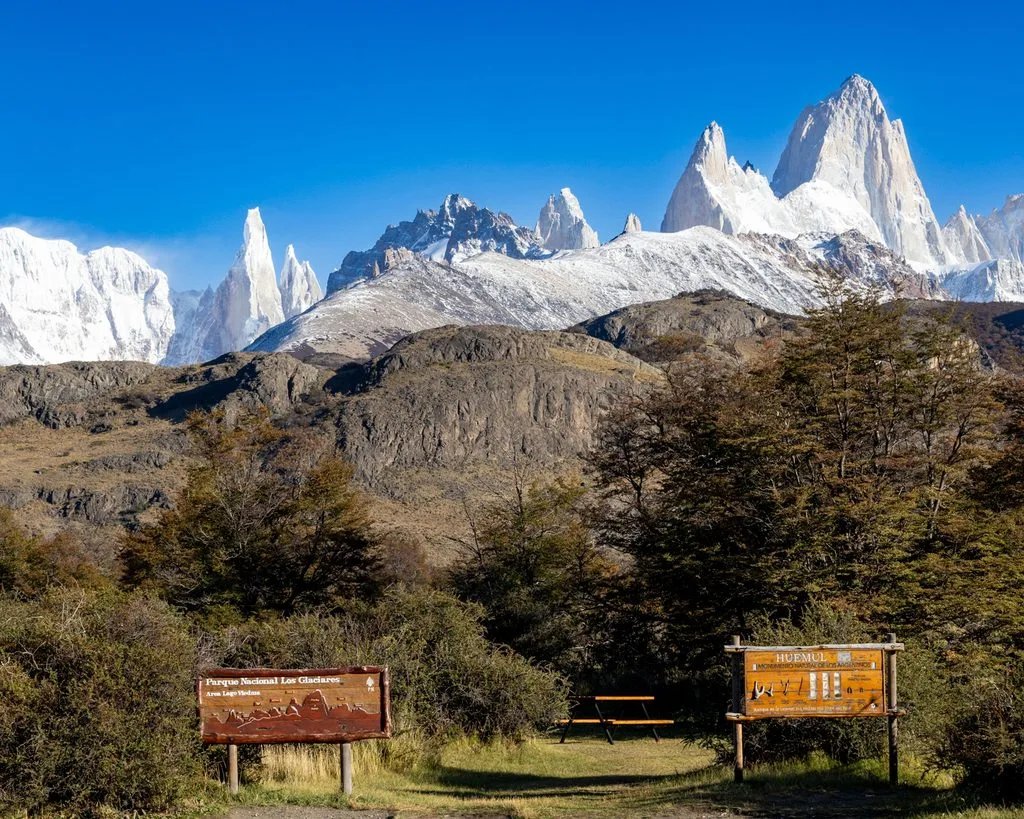
We won’t lie: this route is pretty intense, and you’ll need to plan your domestic flights carefully. If you’d rather take things at a slower pace, you can always drop one of the stops in the middle and spend more time in Patagonia.
Good to know: in Argentina, domestic flights are pretty much essential. Buenos Aires–El Calafate, El Calafate–Ushuaia and Ushuaia–Trelew are some of the routes to consider, depending on your itinerary. Book them early to make everything easier to manage.
DIY or Organized Tour?
An organized tour of Argentina or going it alone? It’s the age-old dilemma.
As always, a DIY trip lets you pick your stops, stay longer wherever you like and change plans whenever you want, whether it’s because of the weather or something unexpected. If you already have some experience planning trips and you’re happy to handle flights, hotels and excursions yourself, it’s absolutely doable.
An organized tour of Argentina, on the other hand, can be more convenient if you don’t have much time to plan, or especially if you want to visit remote areas without stressing about getting around. It can come in particularly handy for some excursions in Patagonia and the Northwest. And here’s the thing: sometimes a package from a tour operator with first-hand experience in Argentina can actually cost you less than a trip you put together yourself, thanks to the deals they may have with hotels and local airlines.
The best option? Maybe something in between. You can plan your days yourself, booking your own flights and accommodation, and leave some of the excursions to local guides.
What to See in Argentina: The Places You Can’t Miss
So what should you see during your trip to Argentina?
This country really does have it all: big cities, national parks, glaciers, mountains, waterfalls… To help you choose your stops, we’ve rounded up some of the most interesting destinations.
Buenos Aires
Buenos Aires is often the most popular starting point for a trip to Argentina, and it deserves at least two or three days.
Neighborhoods you shouldn’t miss:
La Boca: one of the city’s most distinctive neighborhoods, famous for the colorful houses of Caminito and its deep-rooted tango tradition.
San Telmo: the perfect neighborhood for wandering cobbled streets, markets, antique shops and little bars.
Palermo: one of the capital’s liveliest areas, packed with restaurants, cafés, shops and big green spaces.
Recoleta: an elegant neighborhood best known for its famous monumental cemetery, home to historic tombs.
If you have time, you can’t leave without catching at least one tango show, one of the most iconic symbols of Argentine culture.
Iguazú Falls
Iguazú Falls is one of the most spectacular natural wonders in South America. It’s a UNESCO World Heritage Site and a stop you can’t skip if you really want to experience Argentina to the fullest.
The falls sit on the border between Argentina and Brazil, with around 275 individual waterfalls surrounded by subtropical rainforest.
The best base for visiting the Argentine side is Puerto Iguazú, where you can easily reach the national park. One of the most spectacular spots is the Garganta del Diablo (Devil’s Throat), one of the most powerful falls of all. You can get there on the little eco-train, which takes you to the panoramic walkways where you can see the sheer force of the water up close.
If you have enough time, we recommend visiting both sides of the falls:
- on the Argentine side, you can explore several trails and see the falls up close
- the Brazilian side (reached from Foz do Iguaçu) gives you an incredible head-on panoramic view
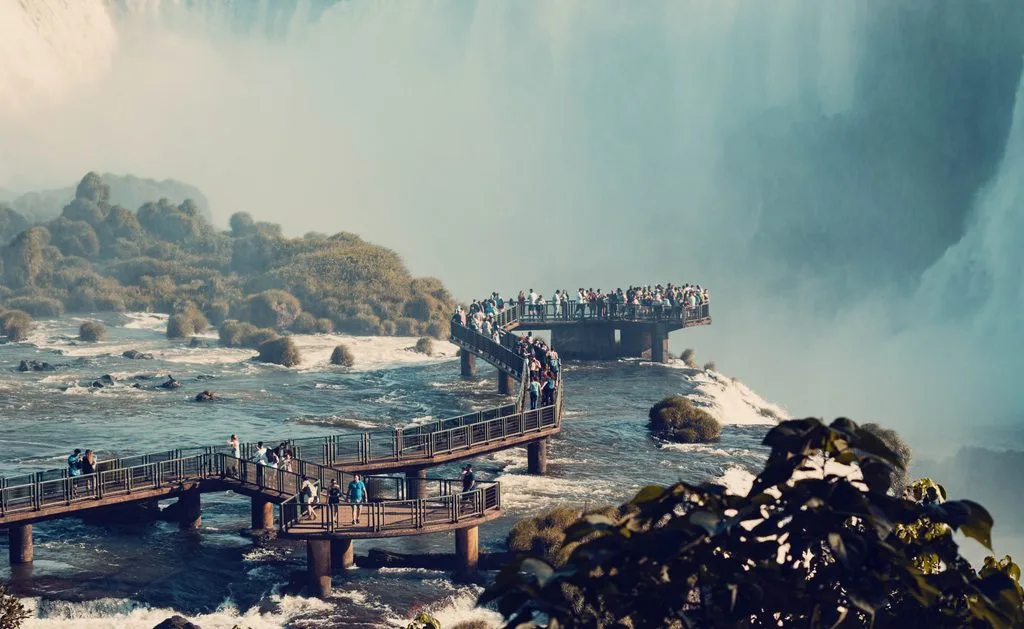
If you want to carry on into Brazil, check out our guide to Carnival in Brazil and plan an itinerary that combines both countries in one trip. Once you’ve crossed the border, you’ll need a connection in Brazil too: a Brazil eSIM is always an option worth considering.
Perito Moreno and El Calafate
If there’s one place that sums up Argentine Patagonia, it’s the Perito Moreno Glacier. It’s in Los Glaciares National Park, near the town of El Calafate, and it’s one of the most famous glaciers in the world.
Perito Moreno is known for being truly massive (it’s bigger than Buenos Aires) and for its towering walls of ice, which in places rise dozens of meters above the water. One of the most unusual sights (and sounds!) is watching chunks of ice break off and crash into the lake right in front of you. If you want to visit it without hassle, stay in El Calafate.
There are several ways to experience it: simply stroll along the panoramic walkways, take a boat out on the lake to get as close as possible, or book a guided trek right on the glacier.
El Chaltén and Fitz Roy
If you love hiking (and have a fair bit of experience), El Chaltén has to be part of your trip to Argentina. Known as Argentina’s National Trekking Capital since 1985, this small Patagonian town is the starting point for some of the best hiking trails in the country.
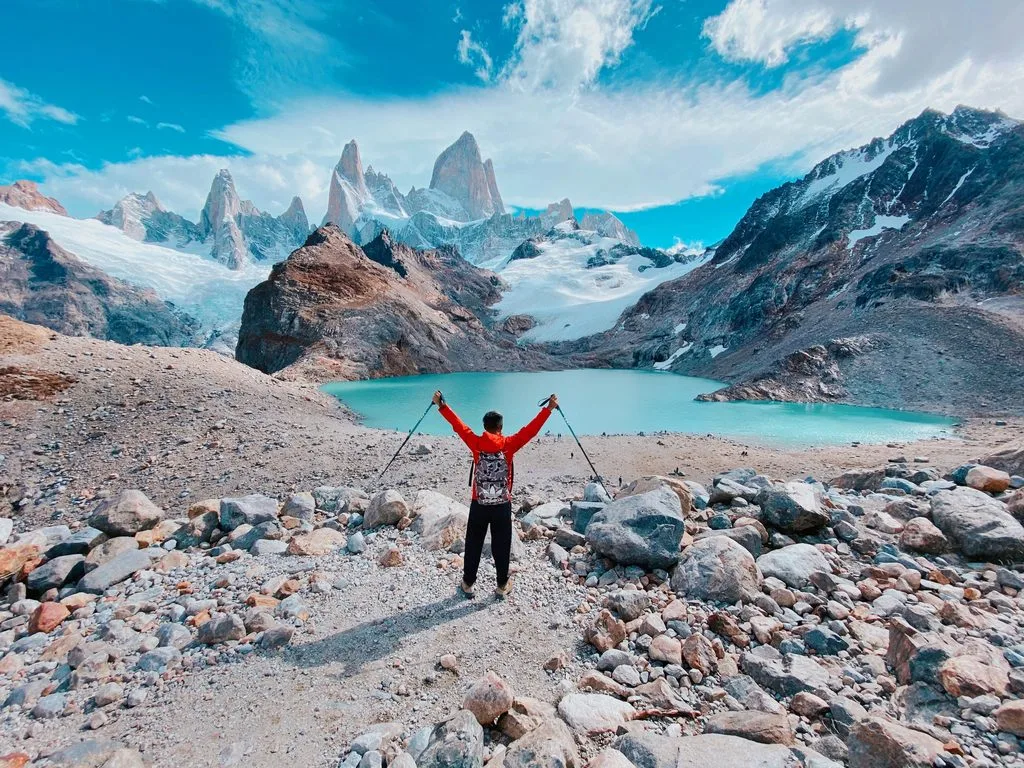
Among the most famous routes are Laguna de los Tres, one of the best-known treks, with a spectacular view of Mount Fitz Roy (it’s a challenging route and not for beginners), and Mirador de los Cóndores, a shorter trail that’s ideal for taking in the scenery.
From El Calafate, you can reach El Chaltén in about three hours by bus or rental car.
Ushuaia and Tierra del Fuego
Ushuaia is also known as “the city at the end of the world” because it sits at the far southern tip of Argentina, on Isla Grande de Tierra del Fuego.
Some of the most interesting things to do there:
The End of the World Train: a historic railway line that runs through some of the landscapes of Tierra del Fuego National Park.
A Beagle Channel cruise: a boat trip to see the islands, the sea lions (!) and the famous Les Éclaireurs Lighthouse.
Tierra del Fuego National Park: ideal for walks and hikes among forests and lakes.
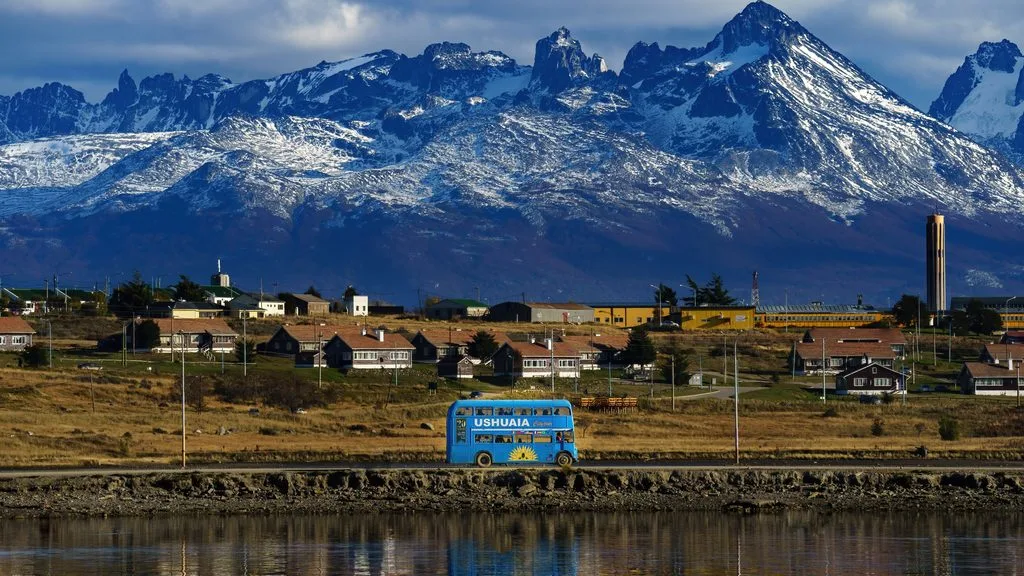
Ushuaia is also one of the most convenient bases for trips to Antarctica, although of course these are much longer and pricier journeys.
Península Valdés
If you love wildlife and nature, Península Valdés is one of the best places to go.
It’s on the Atlantic coast of Patagonia and is best known for its whales, sea lions, elephant seals and penguins.
The main base for visiting the area is Puerto Madryn, where you can book trips out to the peninsula. One of the most amazing experiences is definitely watching southern right whales. The best time to see them is from September to November.
Salta and the Quebrada de Humahuaca
There’s more to Argentina than Patagonia and giant glaciers. In the Northwest, you’ll find completely different landscapes, with colorful mountains, traditional villages and stretches of desert.
Salta is one of the region’s main cities and the perfect base for day trips into the surrounding area. From here, you can set off to explore the Quebrada de Humahuaca, a valley that has been a UNESCO World Heritage Site since 2003.
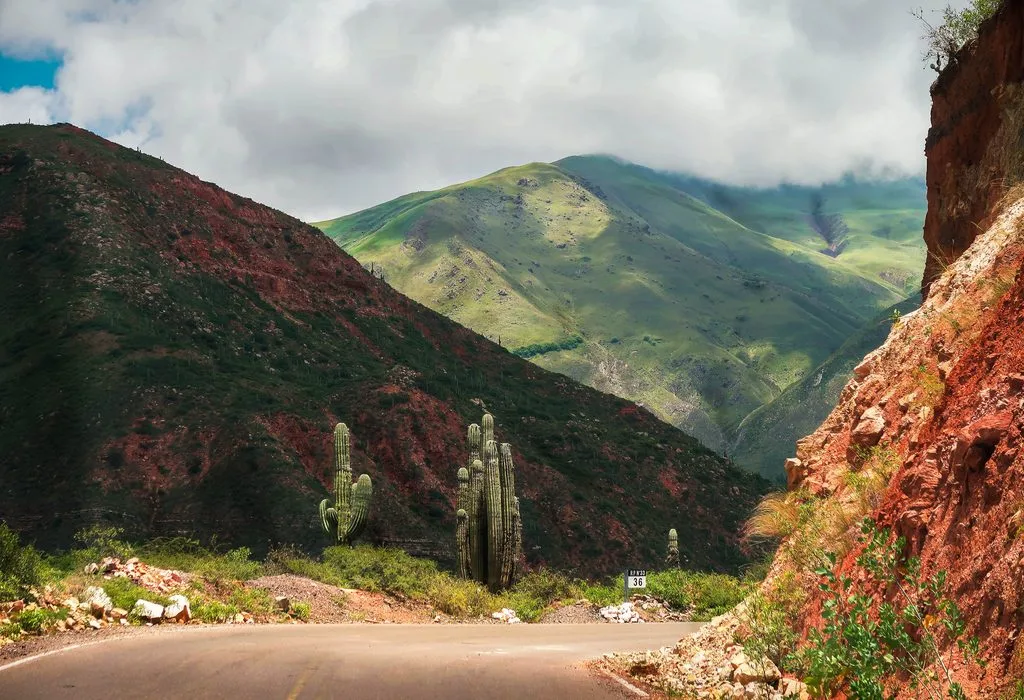
Some of the most interesting stops include:
Purmamarca: a small village famous for the Cerro de los Siete Colores (Hill of Seven Colors), a mountain with layers of colorful rock.
Salinas Grandes: a vast high-altitude salt flat.
Tilcara: a town known for its archaeological heritage and the region’s cultural traditions.
Cafayate: a destination famous for its vineyards and local wines.
Mendoza and Bariloche
Mendoza is famous for Malbec, one of the best-known Argentine wines in the world. The region is gorgeous, with its vineyards and views of the Andes. From here, you can also plan trips to Aconcagua, the highest mountain in the Americas.
Bariloche, on the other hand, is in the Lake District of northern Patagonia, on the shores of Lake Nahuel Huapi. One of the best things to do here is the Circuito Chico, a scenic route with views of the lakes, forests and mountains around the city. In winter, Bariloche is also one of Argentina’s best-known destinations for snow sports.
Weather and the Best Time to Visit Argentina, Region by Region
Argentina is in the Southern Hemisphere, so its seasons are the opposite of those in the Northern Hemisphere. On top of that, the climate varies a lot between the Northwest, Buenos Aires and Patagonia.
Patagonia: November to March
If you want to visit El Calafate, El Chaltén and Ushuaia, the best time to go is the southern summer, between November and March.
Temperatures are more pleasant, the days are longer and the hiking trails are easier to access. For hiking, December, January and February are the best months. Just one thing: the wind can be strong even in summer.
Buenos Aires: April–June and September–November
The capital is beautiful all year round, but spring and fall are probably the nicest times to visit. Temperatures are manageable, and you can explore the city on foot without battling the heat of the southern summer or the winter chill.
Iguazú and the Northwest: May–August
For Iguazú Falls and the regions of Salta and Humahuaca, May to August are the best months.
Watch out for the altitude, though: in the Northwest, nights can get cold, especially up in the mountains.
Península Valdés: September–November
If whale watching is your goal, September, October and November are your best window.
That said, sightings are never guaranteed: they depend on when the animals are in the area and, unfortunately, on natural conditions too.
How Much Does a Trip to Argentina Cost?
Argentina can be a fairly affordable destination if you know how to plan, especially when it comes to food and getting around. To give you an idea, start by checking out these budgets per person (flights not included):
| Type of trip | Daily budget |
|---|---|
| Budget | About €80 |
| Mid-range | About €135 |
| More comfortable | About €180 |
Total for a full two-week DIY trip: about €2,400 to €4,500 per person (for a standard tour plus domestic flights and stops across several regions).
There’s one expense we recommend you don’t underestimate: domestic flights. Argentina is so vast that flying is the only way to get between regions quickly. Excursions in Patagonia can also push your final bill up more than you’d expect.
Our advice? Before you start planning, write down the places you want to visit, and only then estimate flights, accommodation and excursions. Better to find out early how much it’ll cost to cross the country than to arrive and have to give up an experience you were really looking forward to!
Practical Info: Documents, Currency, Payments and Power Outlets
Documents:
Many travelers visiting for tourism don’t need a visa for stays of up to 90 days, just a passport. Requirements depend on your nationality, though, so check all the entry rules with your government’s official travel advice before you go.
Currency and payments in 2026:
Argentina’s exchange system has changed in recent years, and for the better. Since 2025, most currency restrictions have been lifted: today, paying by card in pesos is a good deal, but we still recommend keeping some cash on you for things like markets, small shops and taxis.
Power outlets and adapters:
Argentina uses Type I power outlets (two flat pins set at an angle and, on grounded versions, a third pin). The voltage is 220 V and the frequency is 50 Hz. To be on the safe side, we recommend packing a universal adapter that works with Argentine outlets.
Internet in Argentina, Region by Region: Where You’ll Have Signal and Where You Won’t
When you’re traveling around Argentina, having internet on your phone is obviously essential: you’ll need it for Google Maps, checking flights, booking excursions and staying in touch with your family.
But here’s the catch: coverage isn’t the same everywhere! In big cities and the main tourist spots, the connection is good, but in the more remote parts of Patagonia, the signal can be weak or missing altogether.
Internet Coverage in the Main Regions
Here’s an overview of what to expect in the main areas:
| Destination | Expected coverage | Practical tip |
|---|---|---|
| Buenos Aires and big cities | Generally good | You can use maps, bookings and apps without any problems |
| Iguazú and Puerto Iguazú | Usually available in towns and tourist areas | Download the park info before your excursions anyway |
| Mendoza and the Northwest | Patchy, better in towns | Download maps before heading into the mountains and high plateaus |
| El Calafate and Ushuaia | Usually available in towns | Plan activities and transfers online before you leave town |
| El Chaltén and hiking trails | Signal in the village, very limited or none on the trails | Download offline maps and routes before you start hiking |
| Ruta 40 | Very patchy, with long stretches with no network | Don’t rely on the internet for navigation or emergencies |
Things can change a lot depending on the area, the carrier and network conditions. Want a real-life example? In El Chaltén, you’ll definitely find a connection in the village, but once you set off on a hike toward Fitz Roy, the signal may disappear. And along some stretches of Ruta 40, you could drive 200–300 km without finding any mobile network at all.
That’s why, in general, we recommend that you:
- Download offline maps in Google Maps or use an app with offline maps (like Organic Maps, which is great for hiking).
- Always save your flight tickets, bus tickets and bookings on your phone.
- Download hiking routes and park info in advance.
- Let friends or family know when you’re heading out on a hike in an area you know has no coverage.
And if you’re wondering how much data navigation apps use, take a look at our guide on how much data Google Maps uses.
How to Stay Connected in Argentina with a Quibity eSIM
The easiest way to have internet as soon as you land in Argentina is to use a travel eSIM.
With a Quibity Argentina eSIM, you can buy your data plan before you leave, install it on your phone with a QR code in three minutes, and activate it in even less time, only once you arrive in the country. That way, you can use mobile data as soon as you land, without hunting for a physical SIM at the airport (or who knows where) or, worse, relying only on hotel Wi‑Fi.
Quibity’s Argentina eSIM plans use several local networks (Claro, Movistar and Personal), giving you a better chance of coverage even in the parts of the country where getting a connection is a bit more of a struggle.
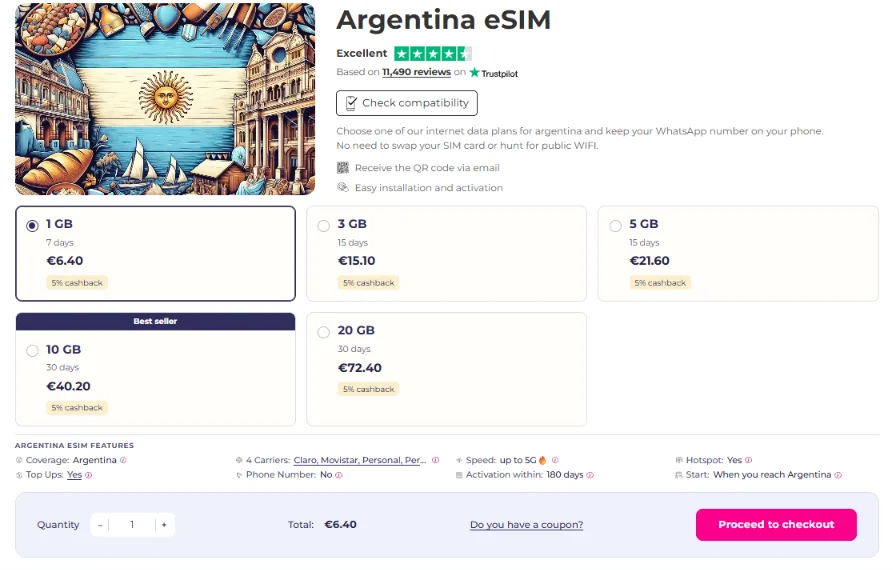
The 5 GB plan for 15 days is ideal for a two-week trip if you mainly use the internet for maps, apps, bookings and everyday browsing. Of course, how much data you actually use always depends on your habits: if you often stream or use your hotspot while traveling, you might need a bigger plan. Argentina is also on the list of countries covered by the Global eSIM, a single pay-as-you-go eSIM you can top up whenever you like and use in more than 170 countries worldwide. To find out which other destinations the Global eSIM covers, read our guide.
A heads-up about Patagonia: the eSIM lets you connect to the mobile networks that are available, but it can’t create coverage where there simply aren’t any cell towers. 😌 On the trails around El Chaltén and along some stretches of Ruta 40, you’ll have to rely on offline maps and… your sense of direction.
The big advantage of a Quibity eSIM, though, is a stable data connection whenever you’re in a covered area, without constantly swapping physical SIMs or desperately hunting for Wi‑Fi.
If your itinerary continues into Chile, for example to visit the vast Torres del Paine National Park, remember that you’ll be across the border and will need a connection there too, so check out Quibity’s eSIM plans for Chile as well.
FAQs
How many days do you need to visit Argentina?
For a first trip to Argentina, we recommend at least 15 days. That gives you time for Buenos Aires and some of the natural highlights, like El Calafate, Perito Moreno and Patagonia. With three weeks, you can also add the Northwest, Iguazú or other destinations.
How much does a trip to Argentina cost?
For a trip to Argentina, the daily budget (flights not included) starts at about €80 per person for a budget vacation, goes up to €135 for a mid-range trip and reaches about €180 for a more comfortable stay. Keep in mind that excursions, hotels and especially domestic flights can push your budget up!
Is there internet coverage in Patagonia?
In Patagonia’s main towns, like El Calafate and Ushuaia, you can generally count on mobile data. Things change once you leave town, though: in El Chaltén, the signal can disappear on the trails, and several stretches of Ruta 40 have no coverage at all. Our advice? Download offline maps and your routes before you set off.